You Don’t Have to Rap to Move Hip Hop
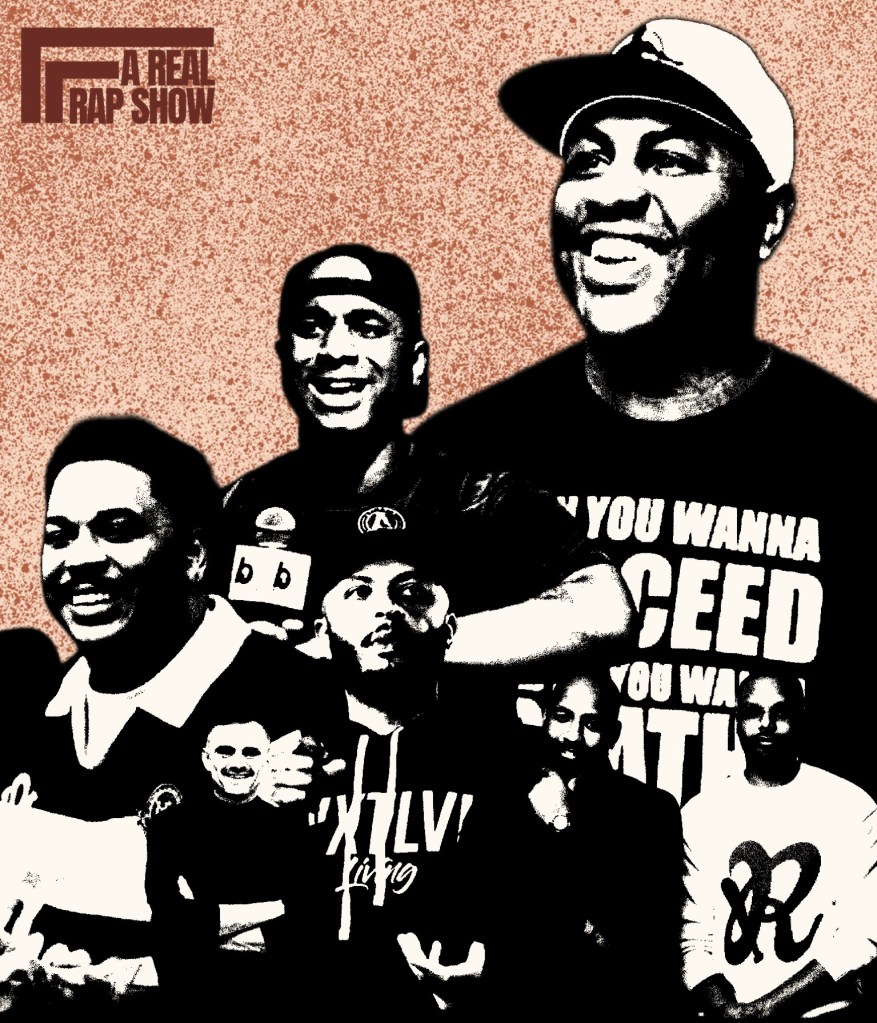
Before podcasts, business clips and motivational speeches became a regular part of the hip hop timeline, Eric Thomas was already screaming into cameras like his life depended on getting through to whoever was watching.
Maybe that is why hip hop understood him so quickly.
ET never needed 16 bars to sound like he belonged in the culture. Better known as The Hip Hop Preacher, his delivery had the urgency of a rapper, his message centered on hunger and discipline, and even the way he distributed that message borrowed directly from hip hop.
In 2012, Thomas released Blueprint 2 Success, a motivational mixtape that packaged his speeches in a format much closer to a rap release than a traditional self help seminar. Years later, his voice would open Meek Mill’s Wins & Losses, while Disclosure famously built records around his speeches.
But his connection to rap goes deeper than being sampled.
Tobe Nwigwe has credited Thomas and his longtime business partner Carlas “CJ” Quinney with helping him realize music could become something serious. Before Tobe became one of rap’s most recognizable independent success stories, the team around ET saw something in him and helped push him toward developing it.
That might be the clearest example of a bigger point.
Some of the people influencing hip hop the most have never really been rappers at all.
Wallo took something hip hop has always valued, getting game from somebody who has lived through it, and turned it into media.
After spending 20 years incarcerated, he built a second life around conversation, motivation and accountability. Through Million Dollaz Worth of Game and his own platform, Wallo has become somebody artists sit across from not only to promote an album, but sometimes to have real conversations about mistakes, money, prison, family and what happens when success finally arrives.
ET talks about becoming the person capable of reaching the dream. Wallo often talks about making sure you do not destroy yourself once you get there.
Then there is money.
Rap spent decades teaching us how to get it. More recently, the conversation has shifted toward what you actually do with it once you have it.
That is where Earn Your Leisure entered the culture.
Founded by Rashad Bilal and Troy Millings, EYL took investing, entrepreneurship, real estate and financial literacy and presented them in a language that felt familiar to an audience raised on hip hop. Ian Dunlap became another major voice in that ecosystem through Market Mondays, helping make conversations about stocks and wealth building feel less like Wall Street and more like something the culture could actually participate in.
Rappers like Jay Z and Nipsey Hussle helped push ownership, equity and long term thinking deeper into rap conversations.
EYL became part of the generation helping turn those conversations into education.
Gary Vee might look like the oddest name on this list. That might also make him one of the best examples.
For years, Gary Vaynerchuk has preached ideas that are now almost standard language for independent artists: document your journey, create consistently, understand attention, build your brand and go directly to the audience instead of waiting for somebody to choose you.
His conversations with artists like Nipsey Hussle showed how naturally those ideas could overlap with hip hop.
Gary Vee did not shape rap itself. But he absolutely helped popularize an entrepreneurial mindset that a generation of independent rappers has adopted.
And the next generation of these voices might not look exactly like any of them.
Deante’ Kyle represents the newer version of this idea. Through the Grits & Eggs Podcast, he has built an audience around hip hop, Black culture, current events and perspective.
His story is still being written, but that is partly the point.
Today, cultural influence can start with nothing more than a microphone, a camera and a point of view people trust.
Hip hop has never only belonged to the people making the records. It belongs to the people shaping the way the culture thinks, moves, builds and sees itself too.
Some give us rhyme.
Others give us reason.


Leave a Reply